
Energy Rooms™ and Musical Instruments
Live Vibe Audio, LLC developed and manufactured a handful of prototyped listening and recording environments based on a newfound environmental mechanical grounding technology titled Live-Vibe Technology™ – the Science of Resonance Transfer. We are at the point where functionality, sound development, vibration management, cosmetics, overall design, and more importantly, deep-seated confidence motivate us to officially bring The Energy Room to market (2022).
Every audiophile, listener, music lover, sound engineer, and experienced musician knows their sound environment is the final speaker system. The sound of the room commands the spirit, emotion, and passion of the musical soul regardless of how much or how little money is invested into the equipment budget.

The ENERGY ROOM is a complete product for the High-End Audio, Music, Theater, and Recording Industries. The purchase of this specialty environment includes structural design, material, and parts, personal hands-on expertise, and guidance for construction.
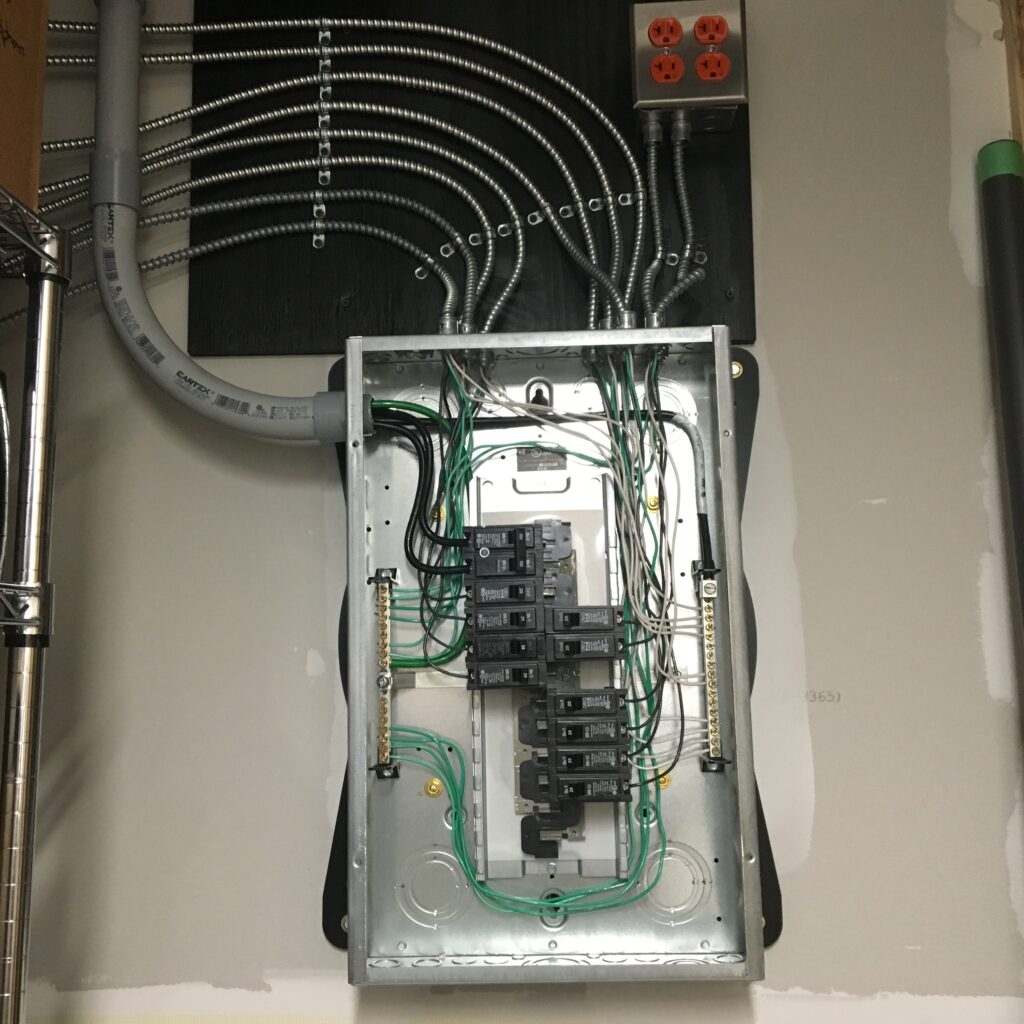
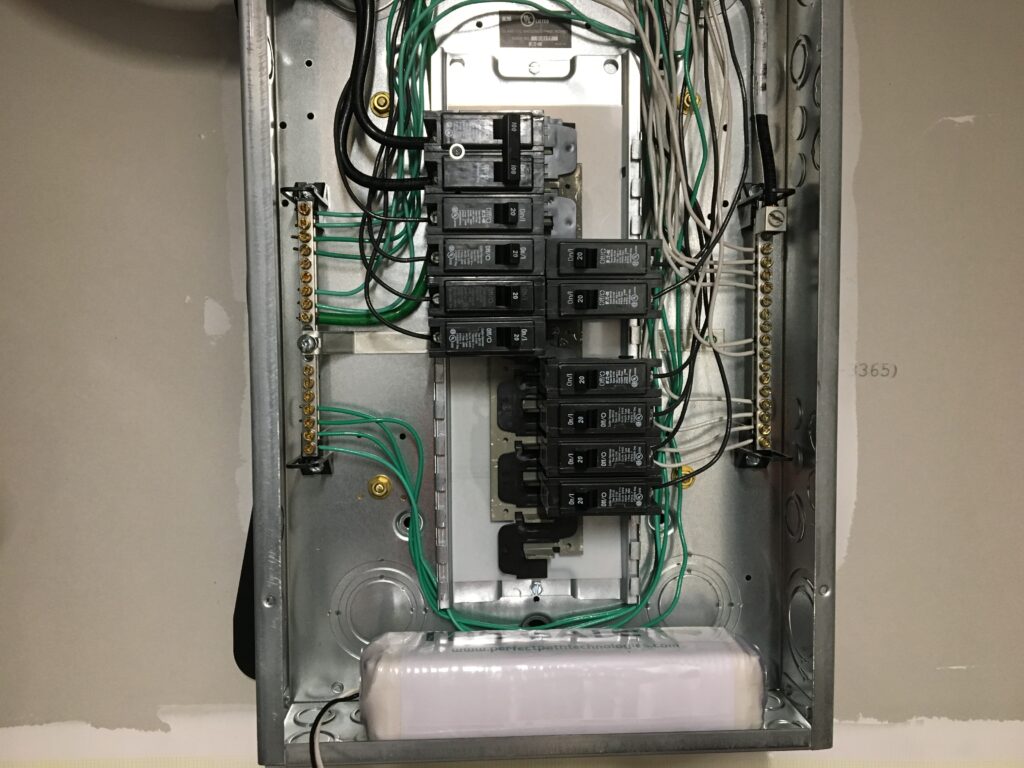
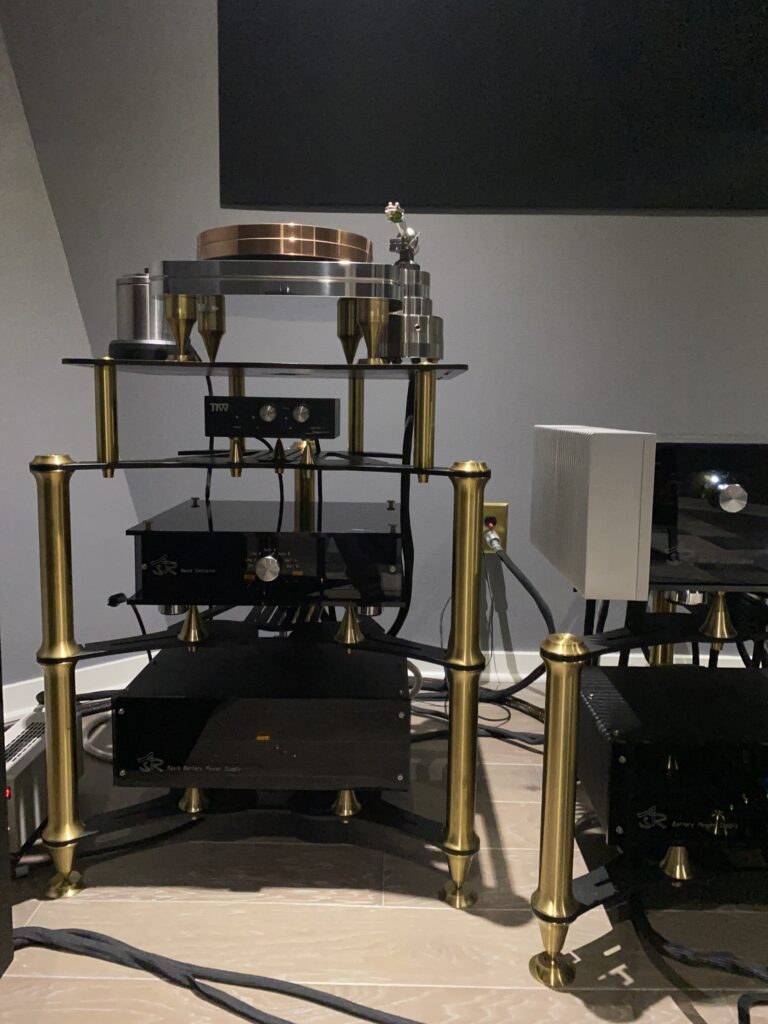
Live-Vibe Technology is a newfound method of vibration management based on the laws of motion, gravity, Coulomb friction, and Coulomb damping. Historically this highly adaptable and scalable technology has been used on the inside and outside of electronic components and speaker systems, equipment racking and speaker stands, power distribution systems, electrical panels, and musical instruments and has expanded to include critical listening sound rooms and recording suites.

Upon entering this sound space, you will notice a change in air pressure when the customized door is first closed. Your voice sounds more natural and is easily understood without having to address volume or increased vocal sibilance. There is an ease of relaxation and quietness until the first note is struck.
You immediately hear something special is going on. The mind opens to a fresh reality as the body feels the beat as you are suddenly immersed in a musical quality unlike anything ever experienced from an audio system.
From highs to lows, this sound room plays every note with dynamic clarity and layers of harmonious structure. Floor noise appears as non-existent, sonic reflections or disruptive echoes are gone however there is a liveliness, a non-damped musical quality as the room takes on a life-sized image of the venue where the recording took place.
If it is a higher volume you prefer, no problem, the amplifiers run out of headroom prior to the walls and ceiling acoustically overloading. This has been proven, not only by us but Mr. Robert Tavaglione, Sound Engineer and Writer for ProAudio Review who put the room to the physical and technical test.

One of the many benefits this environment provides is the realization and understanding that you do not need overly expensive equipment to experience “live”. If you ask anyone who experienced an Energy Room, they will attest; that a great-sounding room with good gear is a lot more enjoyable than an acoustically treated room loaded with top-of-the-line equipment. Of course, having the world’s best sound environment plus the top equipment is audio reproduction’s answer to musical heaven.
The math is simple. For the cost of a high-end amplifier or speaker system, you can own a space that will appreciate in many ways both financially as real estate values increase over time but more importantly, you constantly expand your love of music and sound reproduction. In one year that amplifier or speaker purchase will be worth what? Our bets are The Energy Room will far outweigh any equipment’s investment and value in a really short amount of time.
Should you move, most of the mechanical grounding parts can be removed and placed in your next location without destroying the original room. A few sheets of drywall and paint and no one will ever know the property once contained an Energy Room.
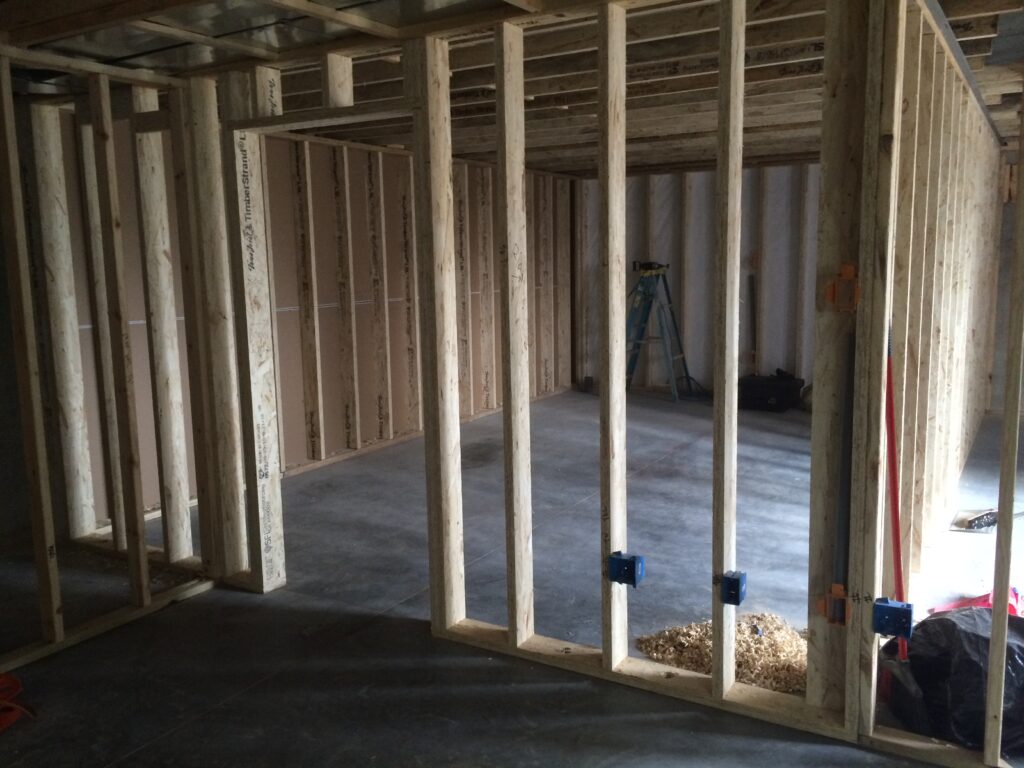
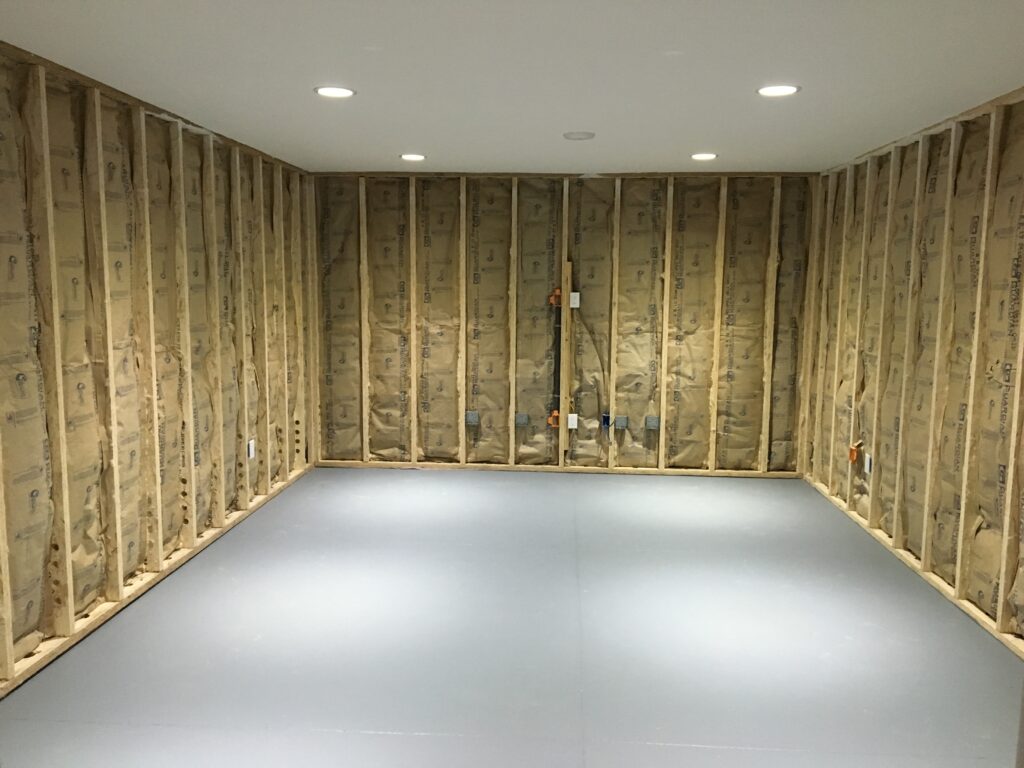
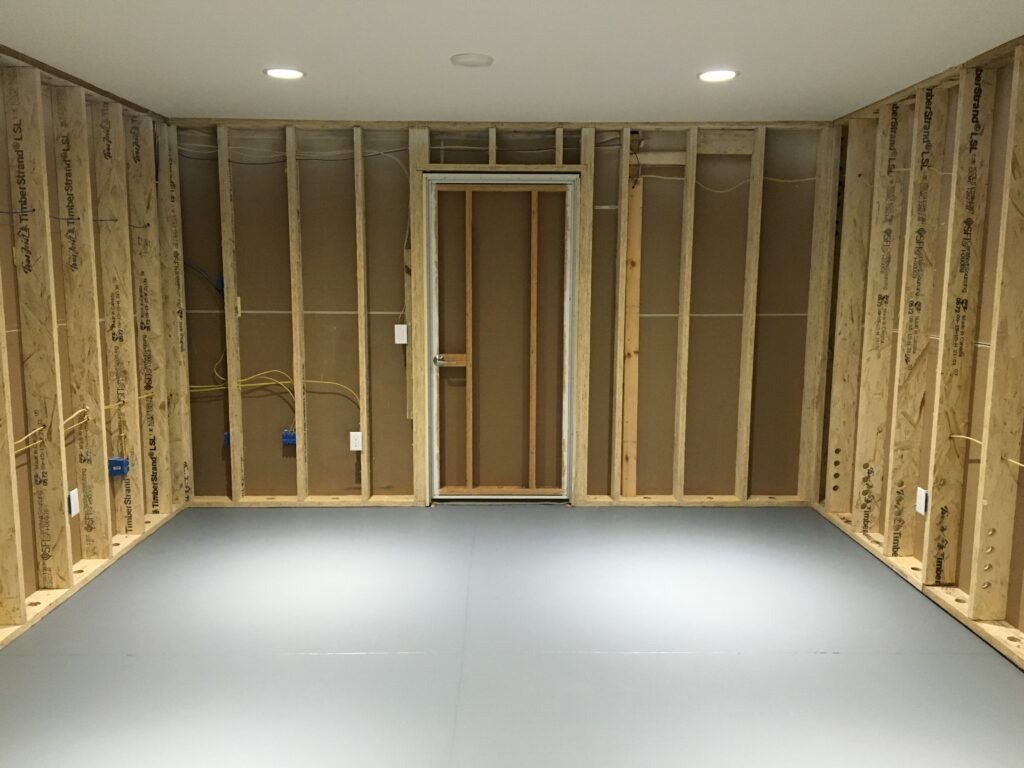
A 21-foot deep x 13-foot wide environment is capable of sitting two, four, or up to six listeners depending on chair sizing. The soundstage exceeds wall boundaries with an extra-wide center image. A side benefit is you can have a conversation with the person sitting next to you at normal voice volumes when the system is playing music at a high power output. The room size is relative to budget or anyone’s desire to play on a larger stage.

This ER is open for auditions by appointment only.
Remember your first listen?
That feeling of wow and sense of amazement that pulled you in forever?
The Energy Room is a place where you can fall in love with music all over again.
Serving as one of Live Vibes Founding Fathers, this long-time retired sound engineer is a bit prejudiced. I never imagined the rush I get from being part of a project that serves as an audio testing and research facility, listening and/or recording suite, musician’s practice flat, or owning one of the greatest movie theater environments imaginable.
I was weaned on the kick drum, snare, hi-hat, bass guitars, and the percussion only a piano provides. I dreamt of a room that delivers concert realism, and produces genuine sound pressure levels, feeling the chest impact yet delicate sensitivities and natural decays we hear from a live musical experience. The Energy Room takes you musically deeper into the leading-edge dynamic and harmonic structures of any recording regardless of playback format”.
The Energy Room is a big step towards the musical finale! Robert Maicks, Live Vibe Audio, LLC
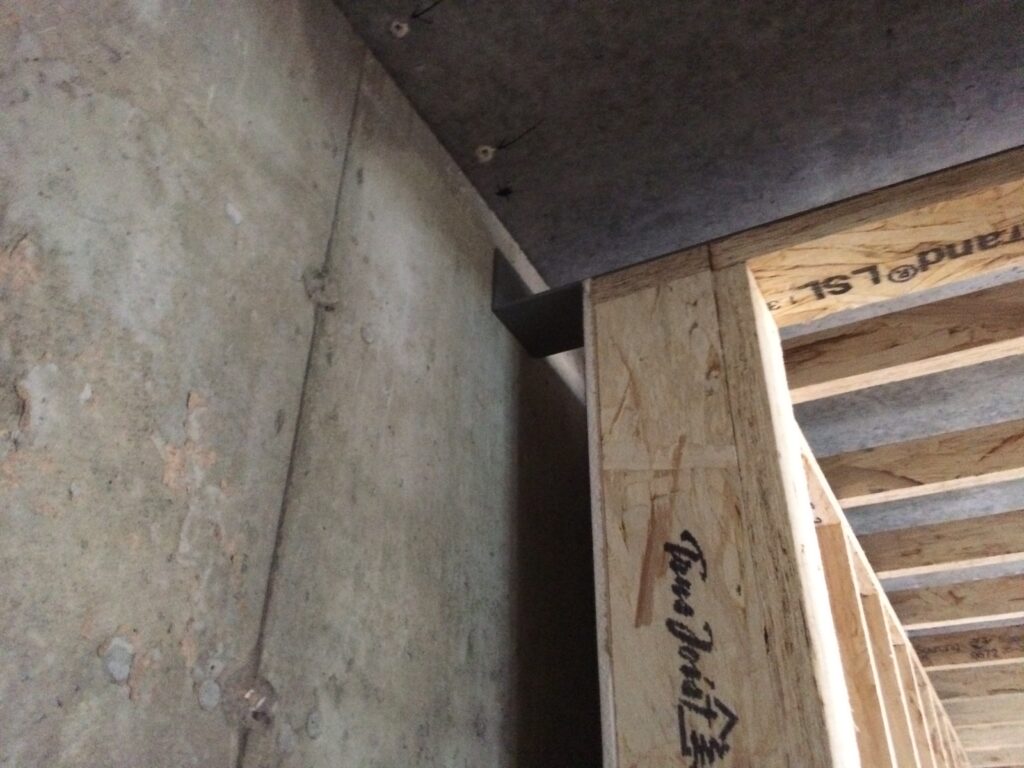
We cannot display the “Trade Secrets” that deliver functionality but are working on mechanical drawings that will take you a step further into the build and design of the interior walls.
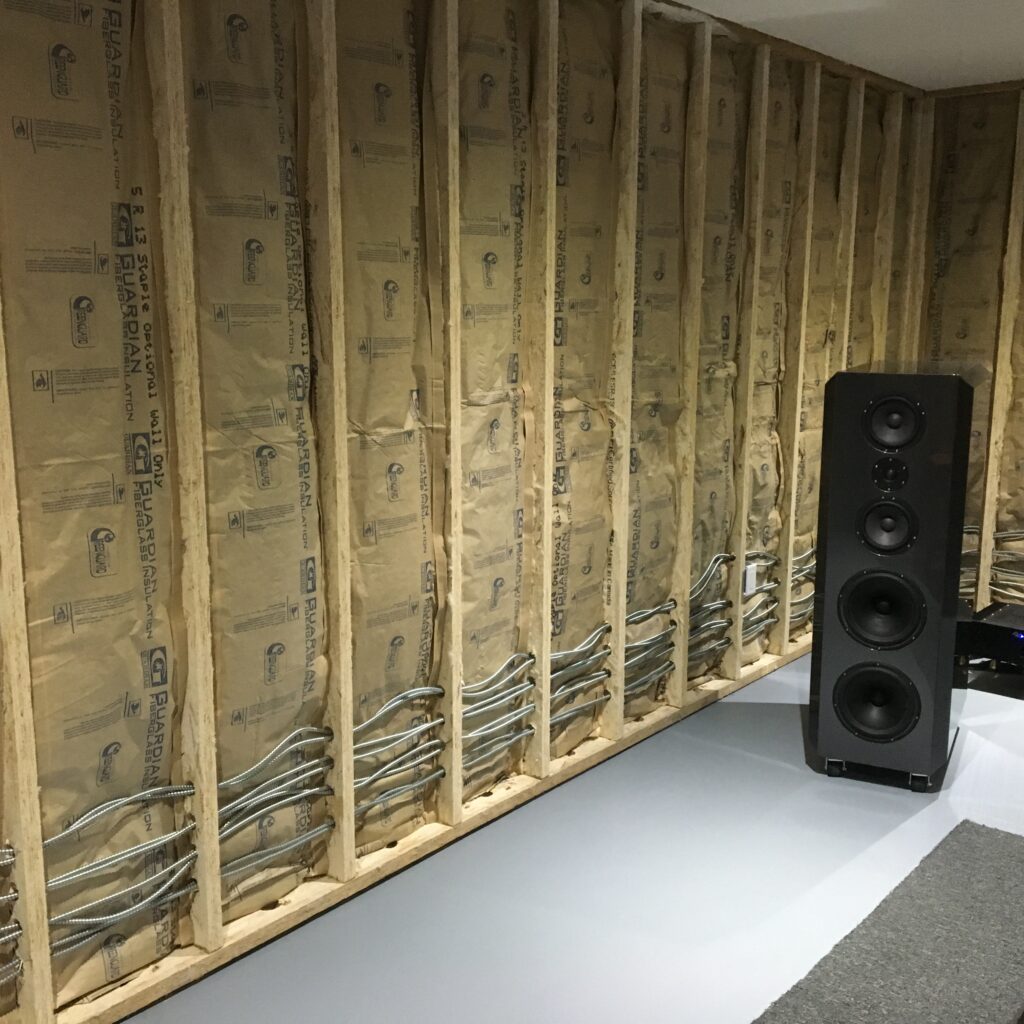
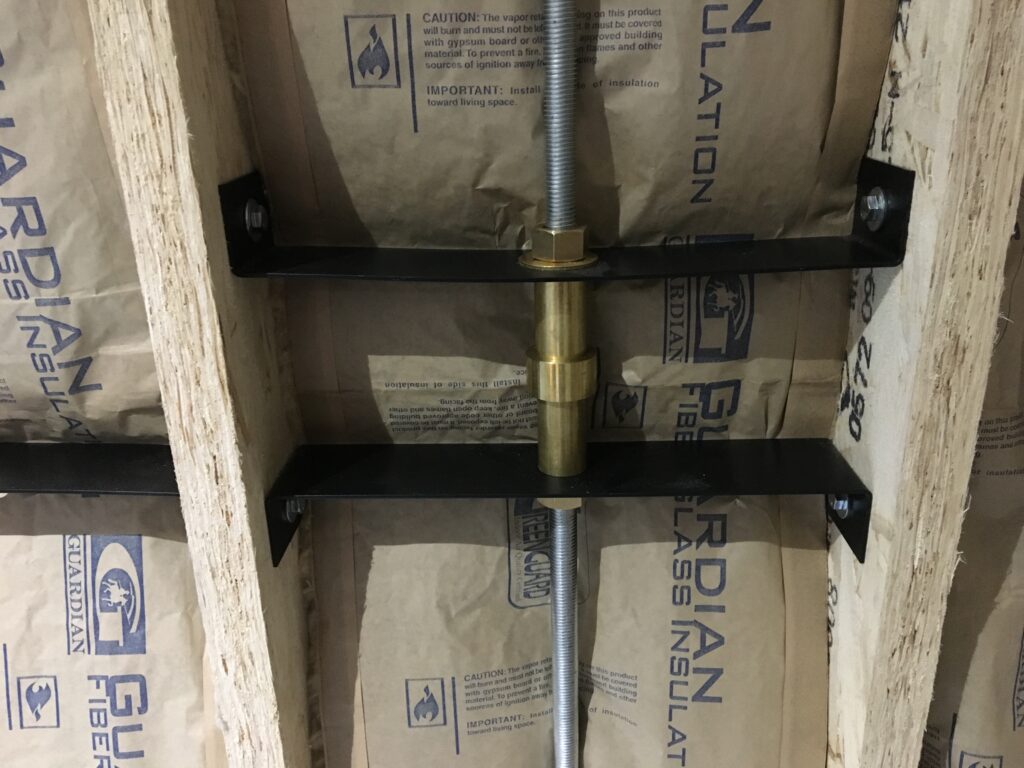
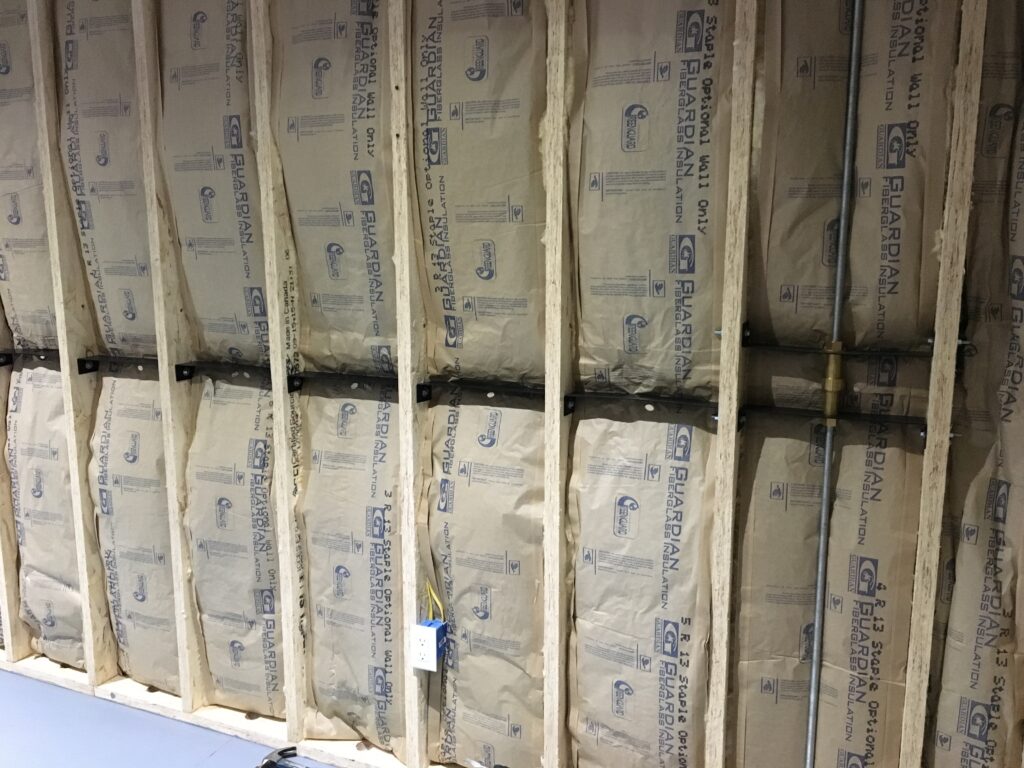
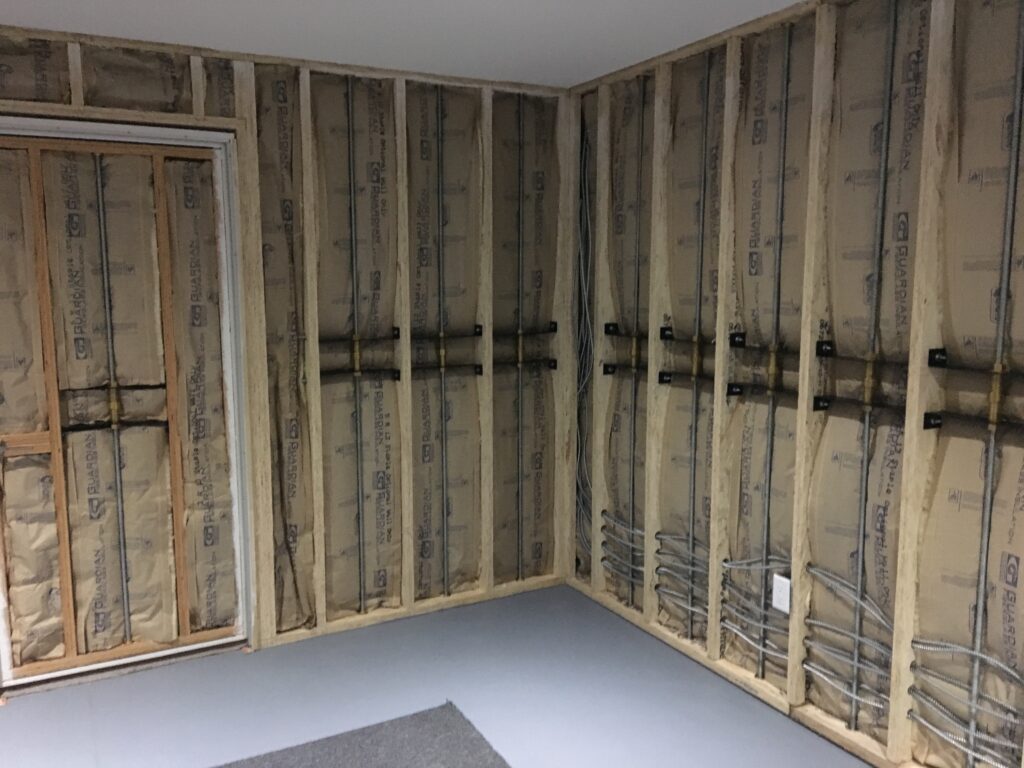

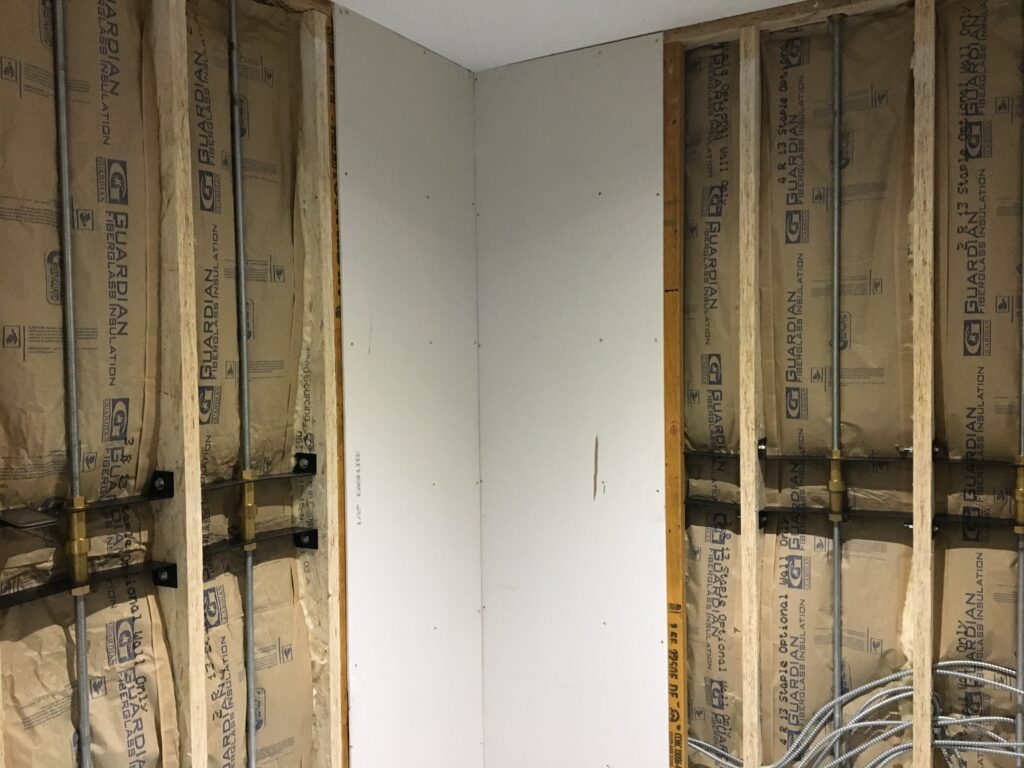
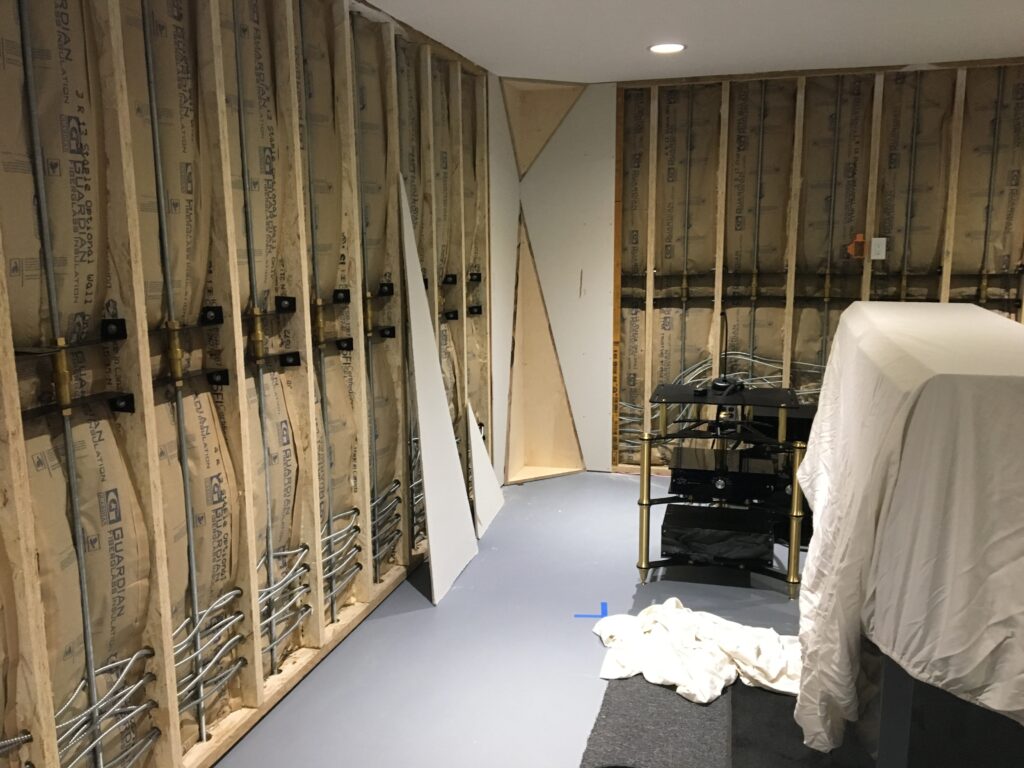
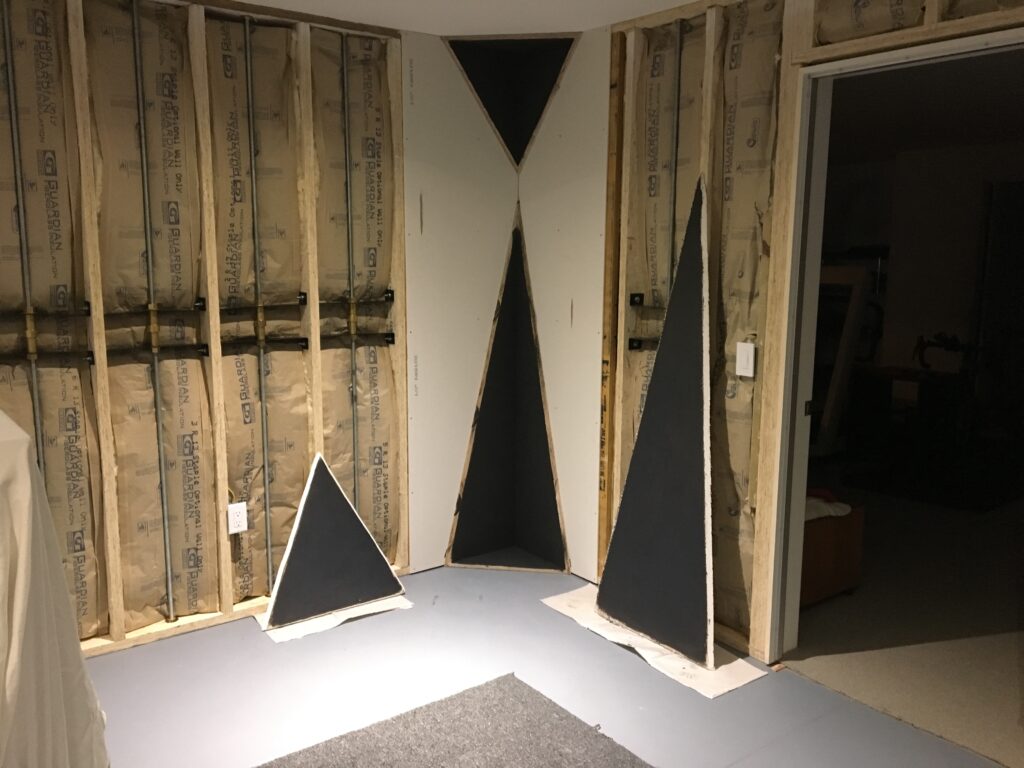
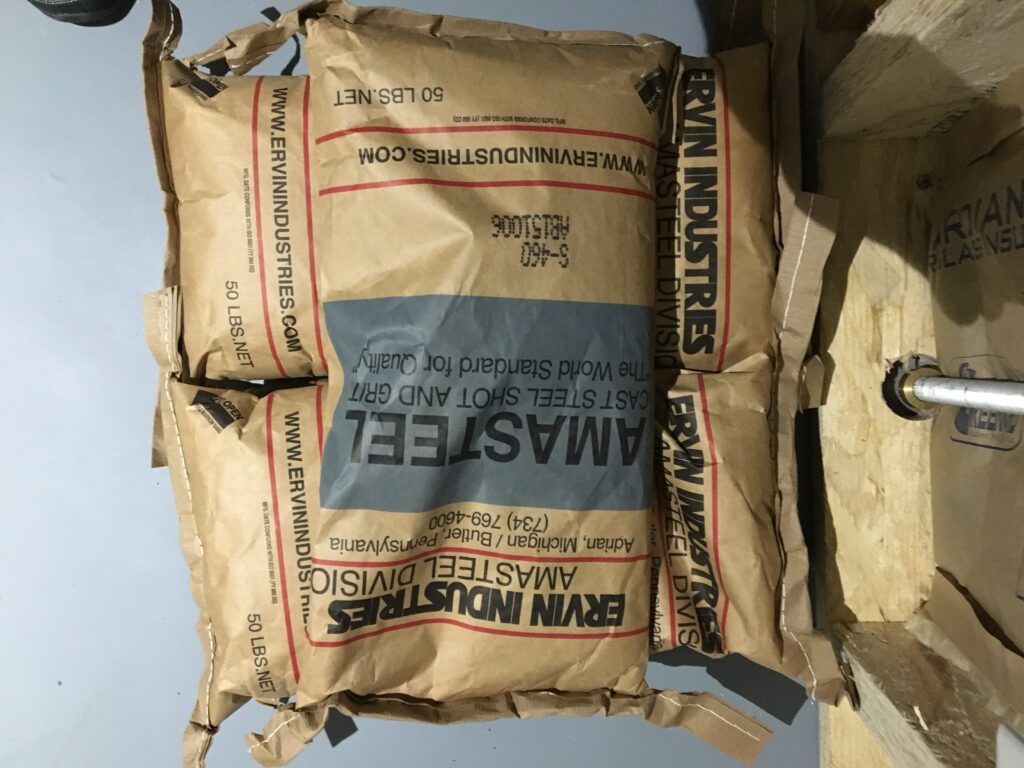

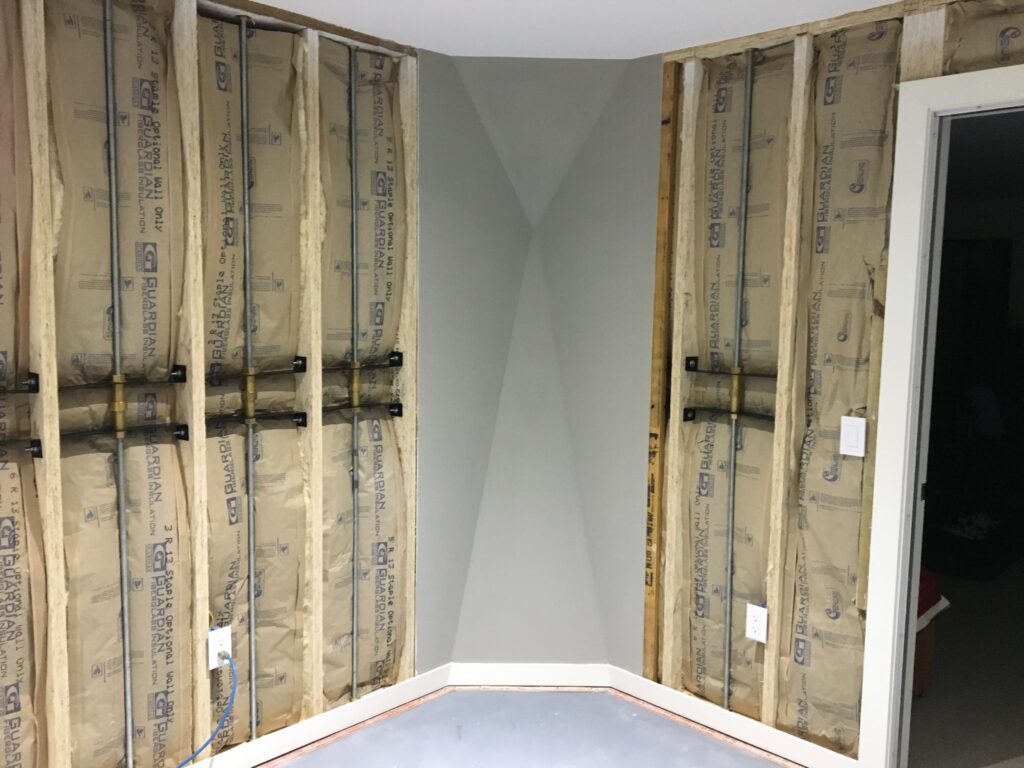
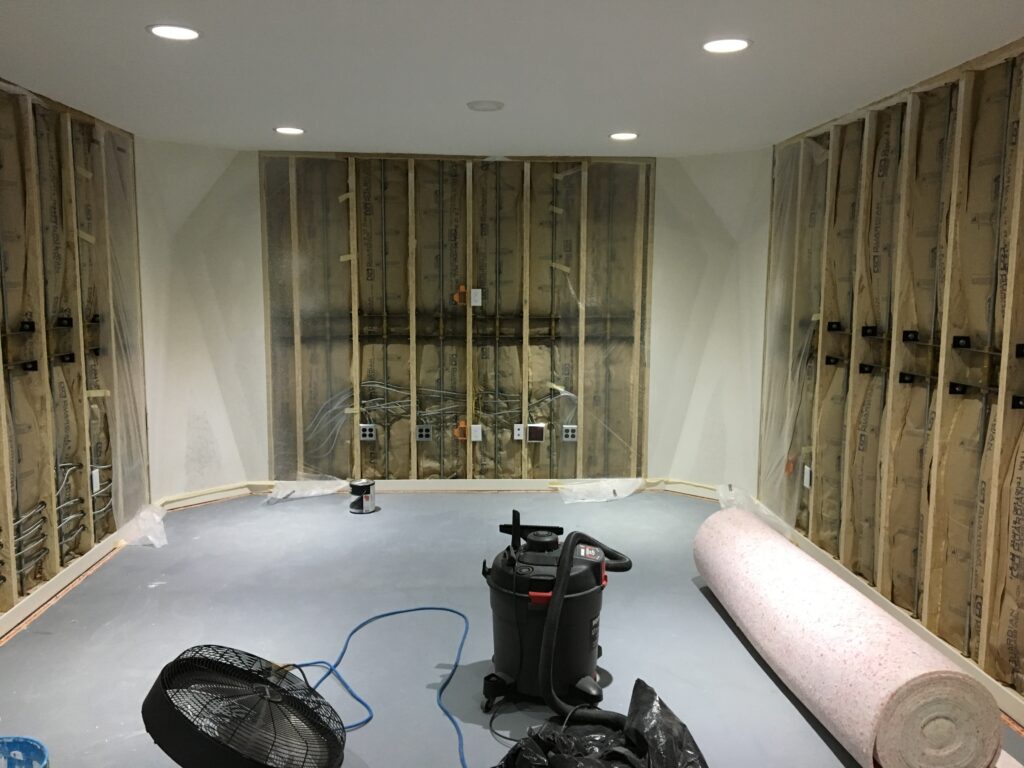
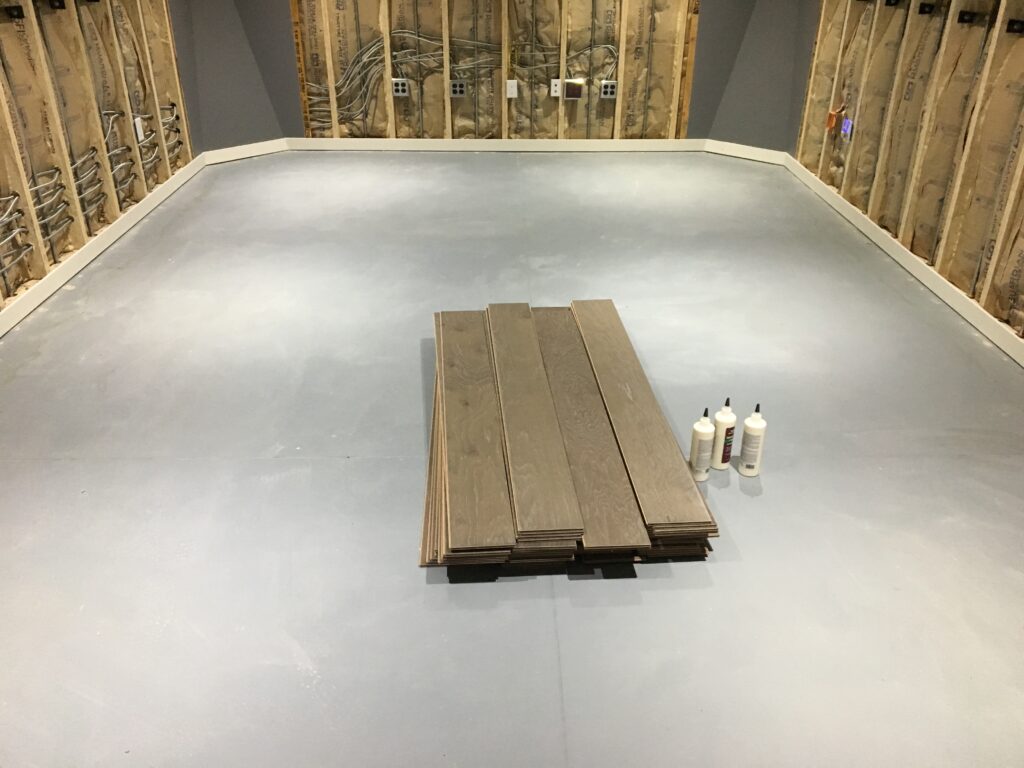
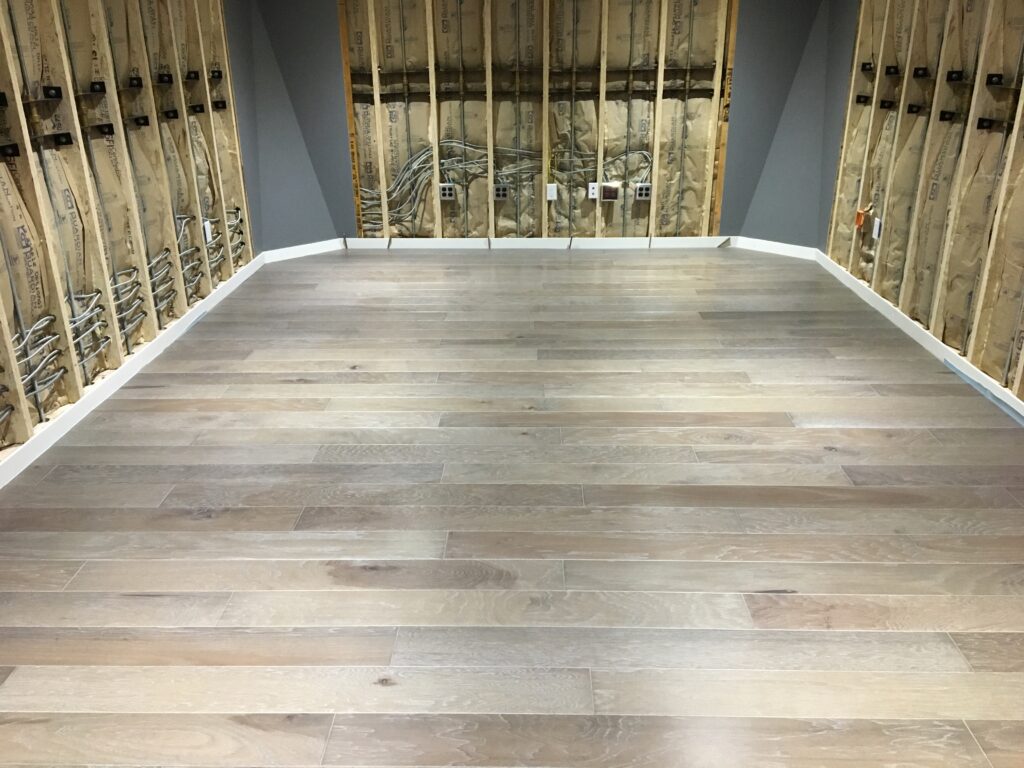
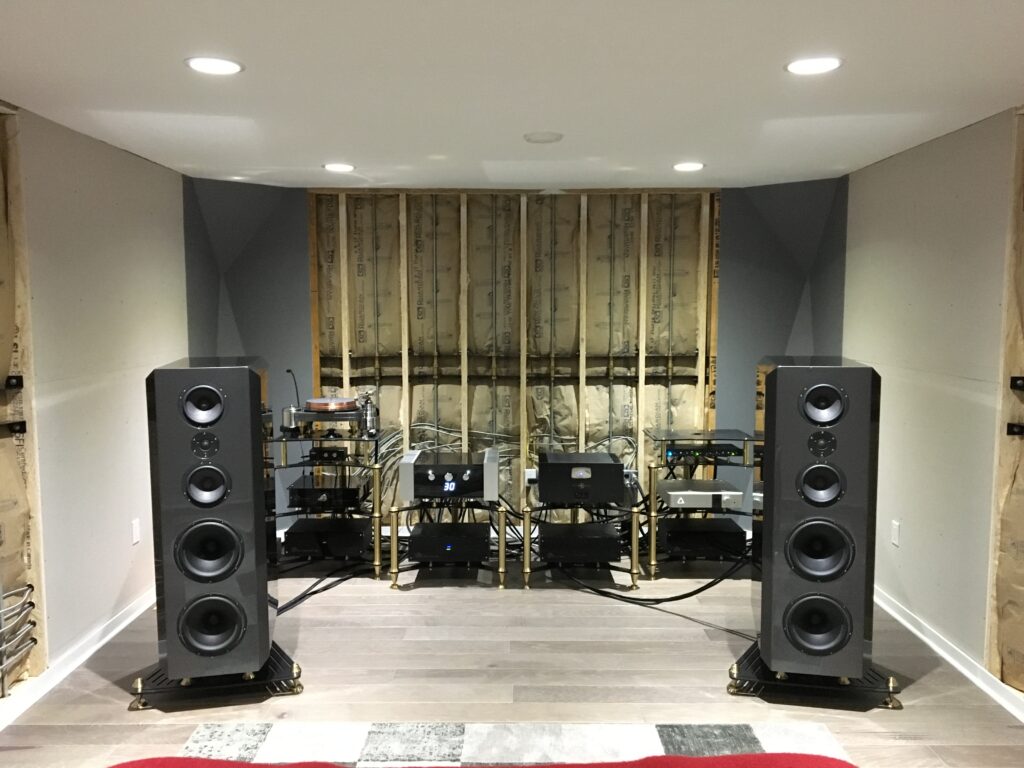
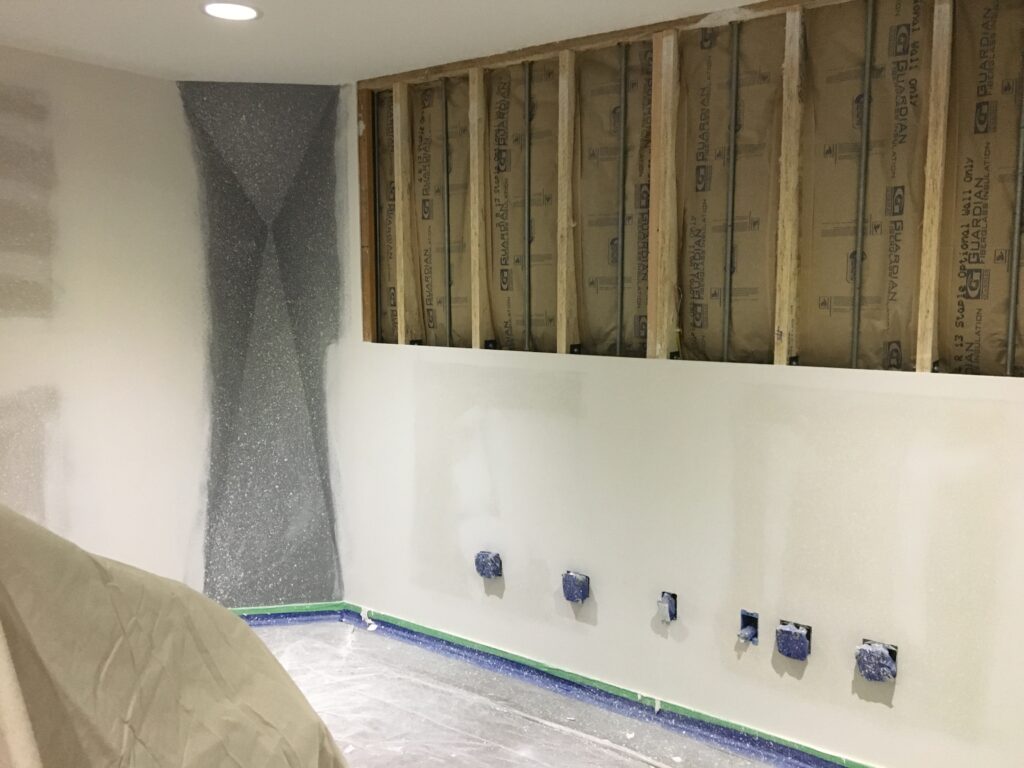
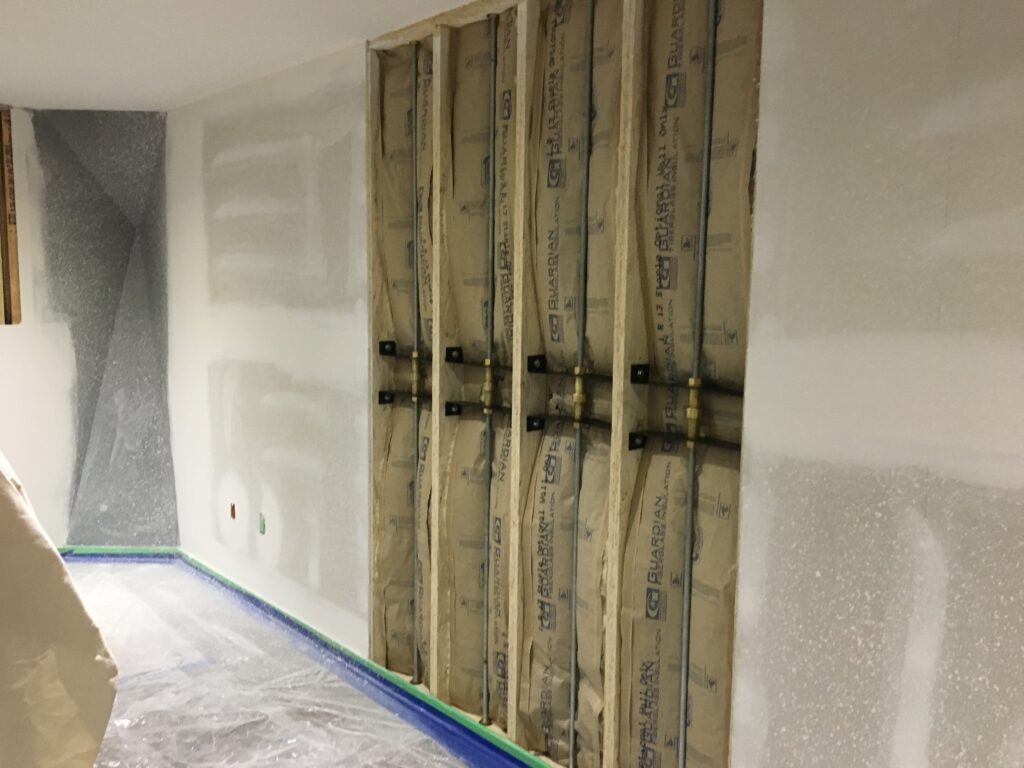
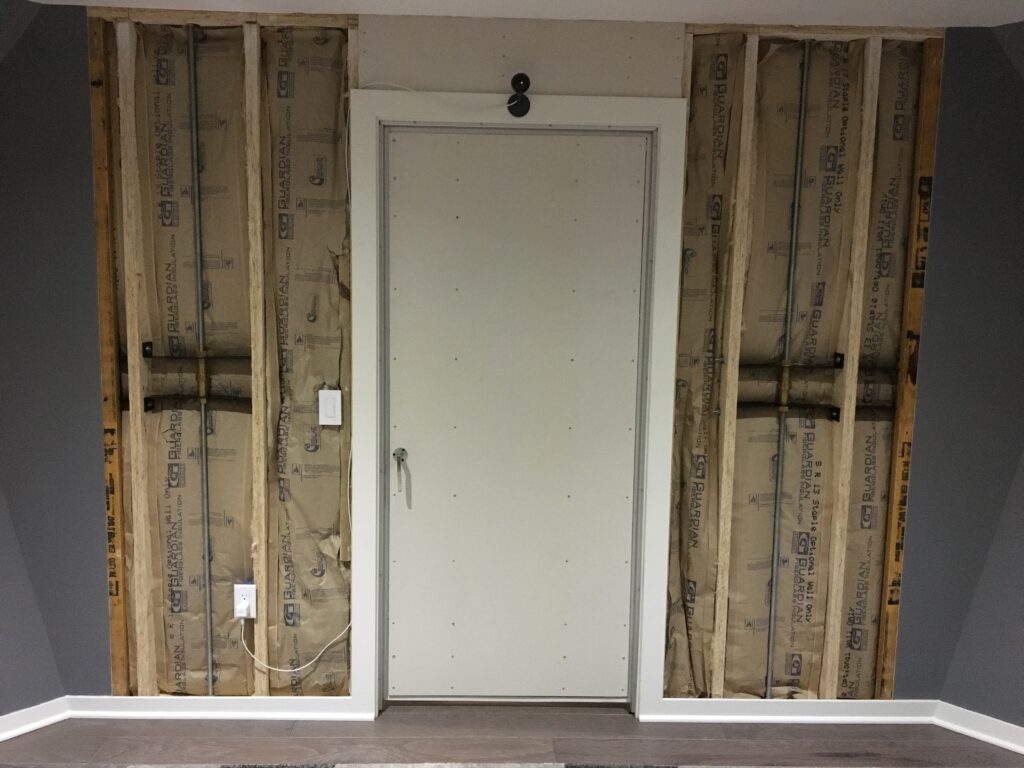
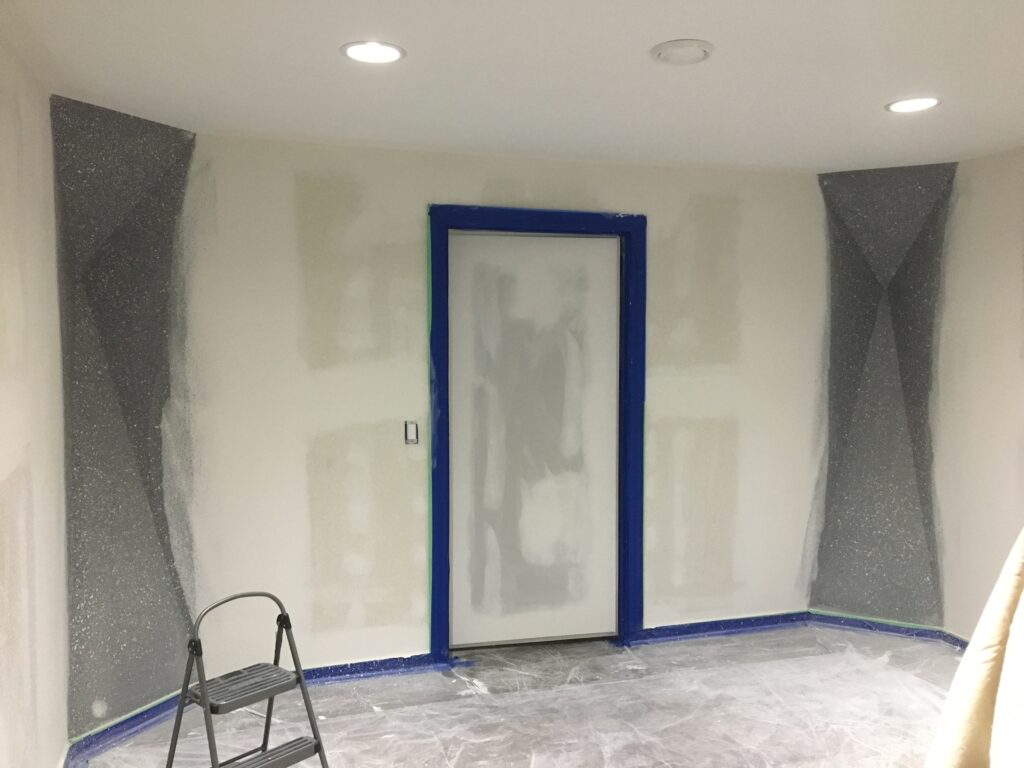
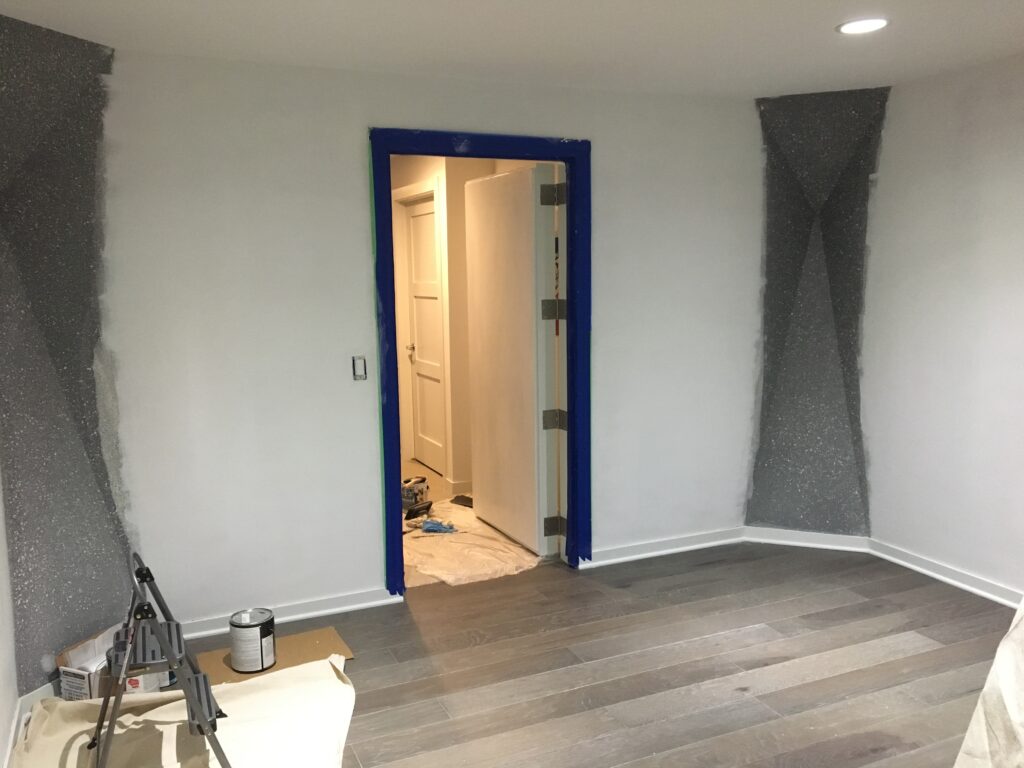
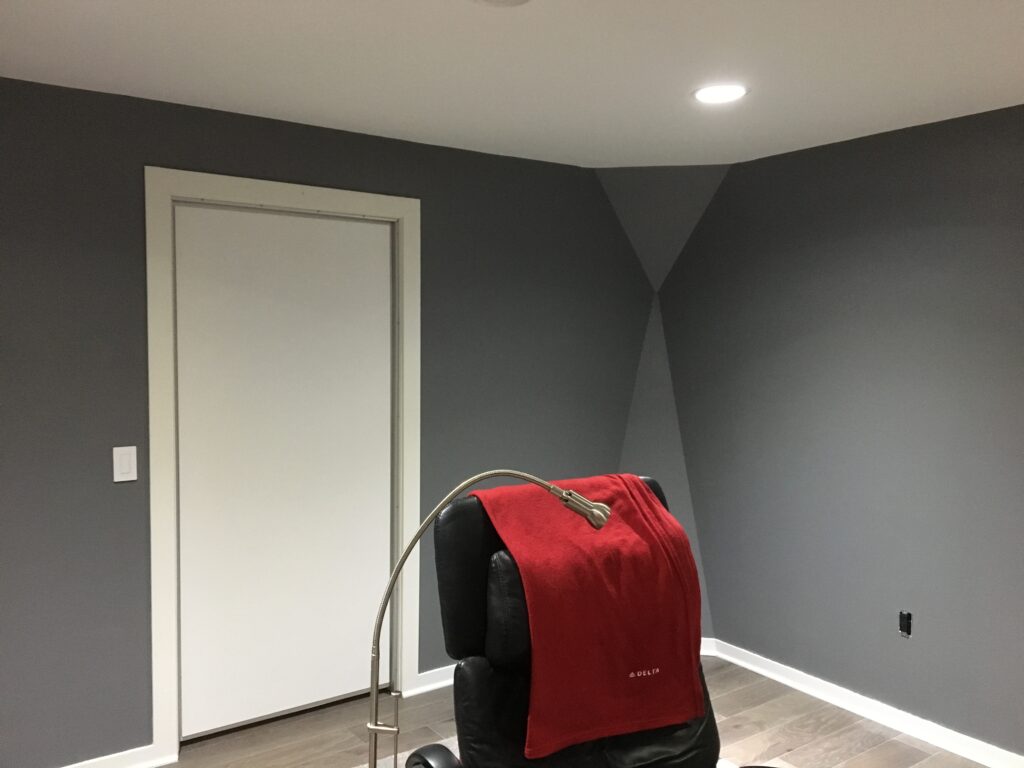
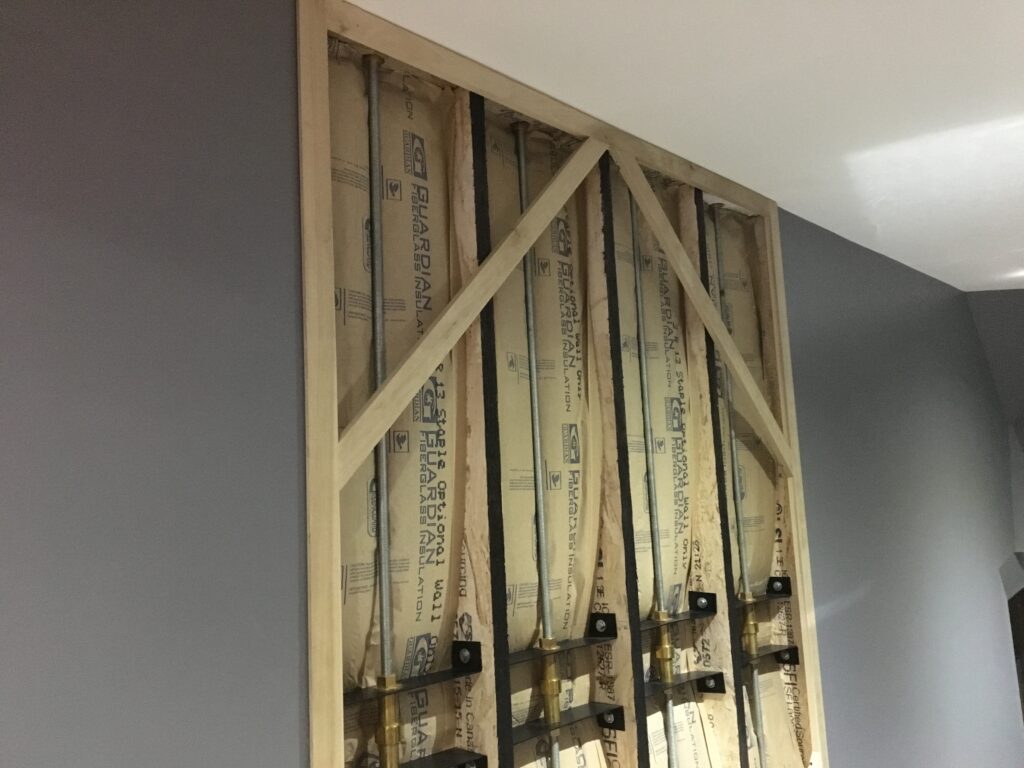
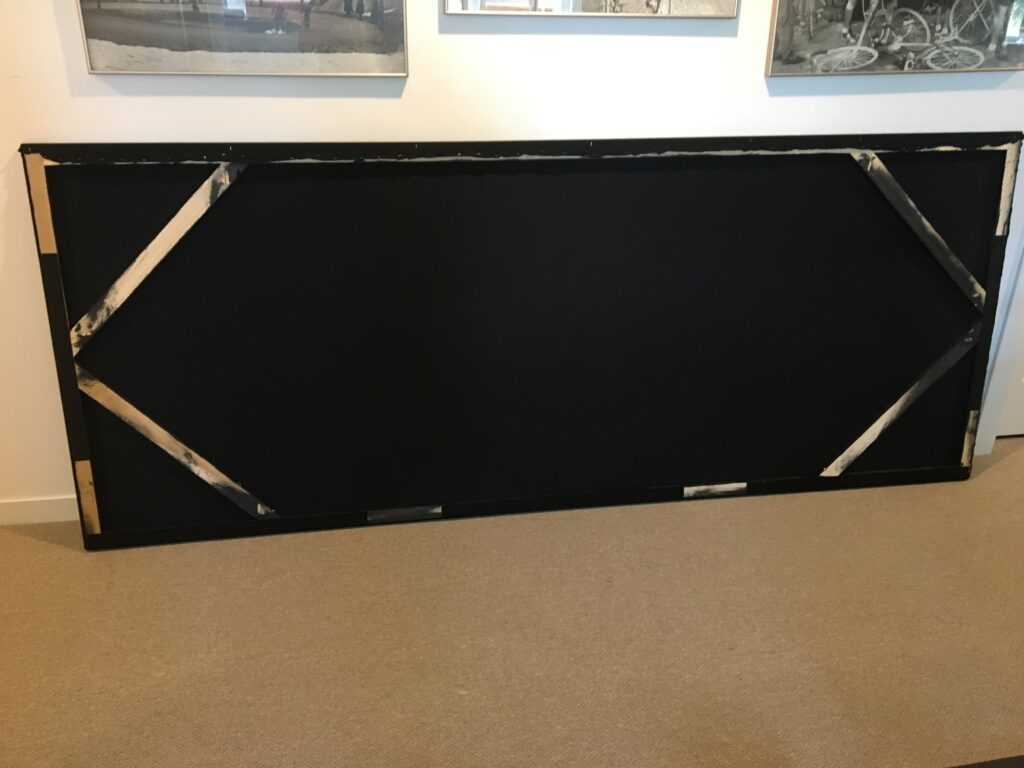
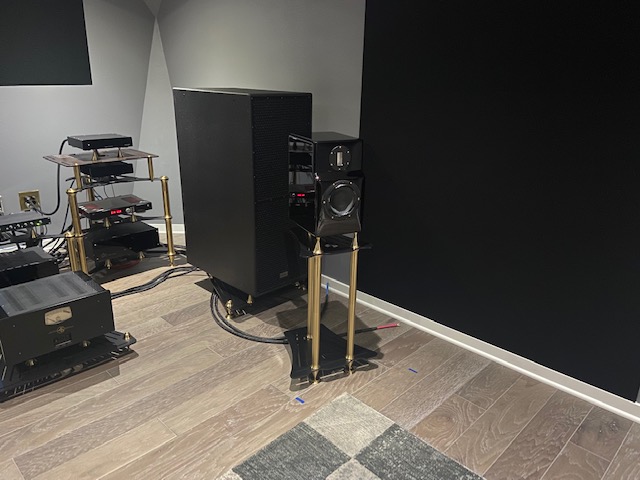
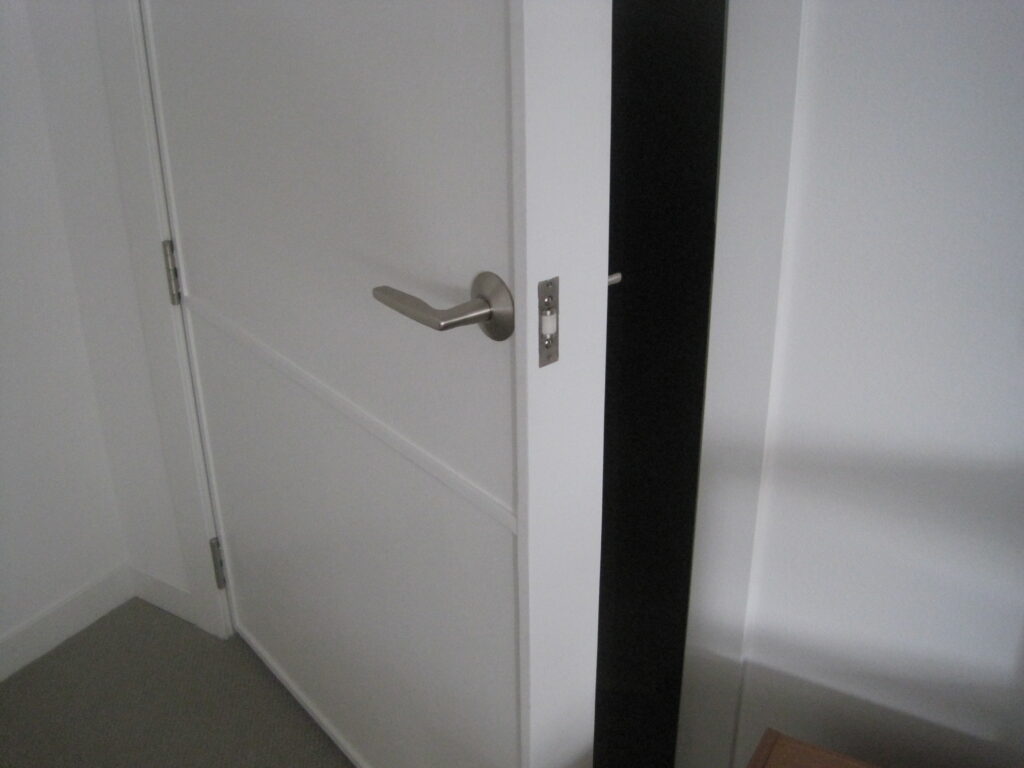
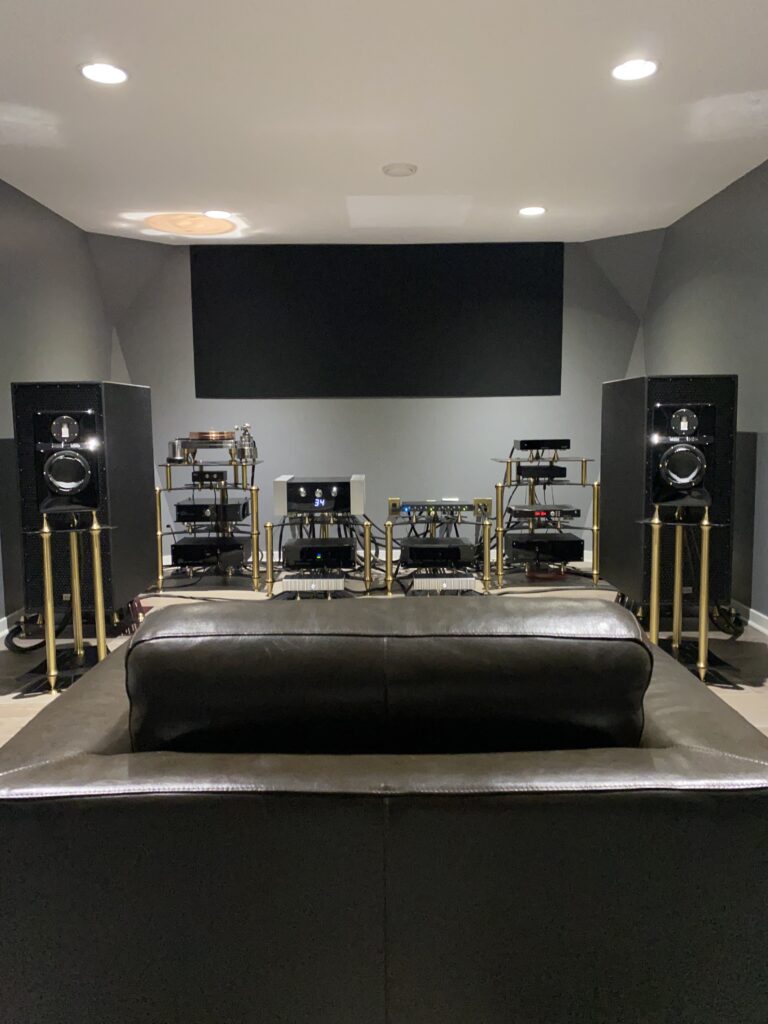

Listen to Live!
Musical Instruments
The Cello Endpin
In 1997 we infused Live-Vibe Technology™ into a grand piano and built customized Audio Points for the leg assemblies. The sonic results were breathtaking in that the instrument truly became more the player’s soul hitting the keys. It was as if the piano became a living part of the musician’s fingers as you could hear the defined percussion of the instrument!
Realizing there is more to Live-Vibe Technology than previously imagined, in 2000, Thomas DeVuono set out on a path of discovery taking our technical approach to a new horizon involving floor-born musical instruments with the initial targets being the cello and upright bass.
Thomas DeVuono on the discovery and innovation of the Tone Acoustics Cello EndPin:
“The sound of proper mechanical grounding, benefits of geometry, and material selection are what we were initially after.

End Pin
The cello endpin must provide the connective tissue between the musician and instrument and not alter the character tone of the instrument. It requires an accurate decay that translates from note to note that does not overlap the previous sound. With the proper mechanical grounding endpin, the cello delivers a wider frequency range, higher acoustic stage presence, and volume allowing the musician to hear more of themselves in the process.
Musical instruments like recording and high-fi equipment can easily be over-damped and sonic altered. When not properly grounded these instruments cannot radiate all their energy in a focused coherent manner. If the instrument is decoupled from the ground plane then all the acoustic boundaries are not being focused, maximizing speed from a single reference point.”
Mr. DeVuono’s Patented invention came to market fourteen years later and is currently used by a host of concert cellists on a global scale.
Our hope is to make more affordable models and locate a cosponsor to assist with finance and distribution so we can offer them to every music student hence keeping music programs in high schools and colleges alive.
Live Vibe Audio, LLC is involved in the research, design, and targeted product development for additional musical instruments such as Tympani, Vibraphone, Marimba, Drum Kit, Bass Clarinet, and the Grand Piano.
Listed below are a few testimonials from a group of skilled musicians noting the sound generated from the use of The Tone Acoustics Cello Endpin™.
NOTE: Opinions expressed on this page are those of the individual performers and technicians and do not represent an endorsement by any group, organization, or symphony.
“I am absolutely thrilled with what the Tone Acoustics endpin has done for my cello. What struck me was that it not only makes for a louder and more resonant sound but in fact allows the cello to speak better at ANY dynamic range. The number of new colors that were available was so exciting- it felt like the instrument had suddenly been set free, releasing its full potential and power. I can’t recommend these endpins highly enough.” Camden Shaw
Mr. Shaw has captivated audiences on a global scale. He is a member of the highly acclaimed Dover Quartet and tours, records, and played a host of prestigious musical events.

“No question that this endpin is revolutionary compared to the old traditional endpin. Tom has found a way to increase the power and projection of my cello without losing the quality of sound. Something we cellists are always concerned with is the projection of the cello. The Grand Concerto has enhanced my cello’s sound not only in a clear difference in projection, but also by delivering a rich, dark, and full body tone quality to the cello. Anyone who is a serious student and professional cellist should invest into this product.” Mark Baekbeom Yee
Mr. Yee is an active freelance cellist, performing with the Houston Grand Opera and with the Houston Ballet Orchestra, and maintains a studio with 40 students learning the cello.

“The Tone Acoustics’ endpin is the most innovative and important advancement in sound quality for cello and bass that I have seen – or heard – in decades.” Paul York
Mr. York is an accomplished soloist, chamber musician, recording artist, and teacher. He currently serves on the string faculty at the University of Louisville in Kentucky, where he maintains an active teaching and a live performance schedule.

“My Instrument is a Guiseppe Dall’Aglio (Mantua, around 1810), the strings I’m playing are Larsen Magnacore (A/D/G, sometimes the C as well) and Thomastik Spirocore (C). The sound quality is basically higher, more noble….any note just sounds richer and deeper. And yes – it is possible to play closer to the bridge. The sound is wider. It would be too simple to say it’s louder, because there is so much more to say — it’s asking me to play finer and it’s so inspiring!” Tobias Baez
Mr. Baez is thr Co-principal Cellist in Gewandhausorchestra, Leipzig, Germany (founded in 1743, named in 1781 for its first home – Gewandhaus)

“I am extremely pleased with my purchase of the new Tone Acoustic brass endpin, created by Tom DeVuono. It has not only enhanced the sound of my instrument twofold, but it has made playing the instrument easier and more responsive. The instrument was made in 1855, outside of Paris in Mirecourt, by Honore Derazey. I highly recommend this new product to any cellist, or bassist looking to enrich their sound quality and sound production. All of the ‘cellists in The Cincinnati Symphony Orchestra that purchased Tone Acoustic endpins are thrilled with the product!”
Ms. Marshall Petersen is a cellist with the Cincinnati Symphony

“I don’t know if it’s the design, materials, or mass, but the Tone Acoustics Endpin audibly improves the clarity and response of my 1765 Balestrieri. I love how it feels, and I’m never going back!” Benjamin Karp
Benjamin Karp is a Professor of Music and Director of Chamber Music at the University of Kentucky
